HOMESLIBRO - Blogs on Home Related Solutions: Furnitures

Gives

  • News
  • Tips
  • Rates
  • Amazing!

Latest

Post Top Ad

Showing posts with label Furnitures. Show all posts

A Guide to Properly Locating a TV on a Wall - Homeslibro

May 31, 2024 3

A Guide to Properly Locating a TV on a Wall 

Choosing the perfect spot to mount your TV on a wall requires careful consideration of various factors to ensure optimal viewing experience and ergonomic comfort. In this guide, we will dive into the key aspects of locating a TV on a wall, taking into account the distance between the sofa and the TV for different TV sizes, as well as the ideal height of the TV from the floor surface.

Determining the Distance Between the Sofa and TV

The viewing distance plays a crucial role in enjoying a comfortable and immersive TV watching experience. Here are some guidelines for establishing the appropriate distance based on different TV sizes:

Guide to Properly Locating a TV on a Wall


Read More

Cost of TV Unit | Quotes for your design ideas | Chennai | Homeslibro

April 14, 2022 0

 Cost of TV Unit = 1500 Rupees per square feet


Note: Things are included in the above Rate?

Price is calculated in sqft – front elevation (length x height)

Plain design with Minimal Cabinet for storage

Material & labour with fixing charges included

Laminate worth Rs.1200/Sheet

Commercial Ply used


Homeslibro Team Will Provide Service In Chennai


TV Units Rates In Chennai by homeslibro


MODEL-1

TV Units Rates In Chennai by homeslibro

Read More

Solid Teak Wood Vs Plywood | Pros and cons | Homeslibro

March 08, 2022 0

In This article, we will compare Teak wood with plywood, and lists the pros and cons between them


Solid Teak Wood

Plywood

Teak wood has a beautiful golden brown colour and a striking straight grain pattern and is very attractive. It does not need additional decoration. If it loses its lustre after a few years, it can be sanded and polished again, so it looks new.

Plywood should be decorated to enhance its beauty and attractiveness. Common ways to decorate a decorative laminate are by pasting or pasting natural wood veneer on its face. Other simple methods include staining and painting. Some plywood companies sell decorative plywood directly, the top of which is a good quality decorative veneer. E.g. Teak veneer plywood, i.e. a thin veneer (layer) of teak wood pasted on top of the plywood.

Teak wood is made by cutting the trees, made into logs, grading them according to their quality, cutting the wood to the required size, and finally making the furniture.

Plywood is an engineered wood product. It is made by rotary-cutting the logs to obtain wood veneers and then glueing these veneers over each other using artificial resins.

Teak wood is a natural material and has no chemicals.

Plywood is made by Joining veneers together using UF (urea-formaldehyde) or phenolic resins (synthetic plastic resins).

Teak wood is obtained from either old-growth teak trees (naturally grown) or Plantation teak (from teak farms).

Plywood can be made from many trees. Using hardwood is much more common than using softwood because plywood needs to be strong in most cases.

Solid teak wood is considered to be stronger compared to plywood. It is dense and heavy, and it is a very versatile material. It has many applications to do building construction work, interior and exterior furniture, doors and window frames, flooring, deck decks and the like.

The strength of plywood largely depends on its grade. Marine-grade ply is better than BWR grade and BWR is better than MR quality. Solid teak wood is considered strong because it is a homogeneous material, while the layers in the plywood are bonded together by adhesives. Plywood strength (adhesive cutting strength) often depends on the type of adhesive used, its non-expandable phenolic resins, or phenolic resin additives or its UF adhesive.

Teak wood contains natural oil within its cells. Because of this teak wood is able to resist termites and other pests. Teak also does not rot or decay easily. Well seasoned (well dried) teak wood also does not shrink or warp due to climate changes. It is dimensionally stable.

Plywood is treated with chemicals during its production, which creates termite-resistant and corrosion resistance. In general, solid teak wood is more durable compared to plywood.

Both teak and plywood have their own special properties. E.g. Teak wood can be carved by hand to create more intricate furniture.

Plywood is useful because it has standard sizes and thicknesses. There are many types of plywood, also known as flexible plywood, which are used to make curved wood surfaces.

Manufactured teak wood furniture can be easily purchased from local furniture stores or branded showrooms.

Plywood furniture is not usually purchased ready-made, but rather people approach carpenters and get customized furniture made of plywood and laminate to suit their needs.


Also Read: Exterior Grade Plywood Vs. Interior Grade Plywood | Homeslibro


Therefore, these are the main differences between teak wood and plywood. All in all, solid teak is superior to plywood in many ways, but it is also quite expensive.

Also Read: Woodworking Materials Guide for Beginners! | Woodworking Handbook


Read More

Teak Wood Polish Care and Maintenance - Homeslibro

March 07, 2022 0

This article describes how to maintain teak furniture and teak wood doors. Teak wood is a beautiful and strong material compared to other wood or plywood, and with proper care and maintenance, it will last for many years.


The benefit of teak is that it is durable, non-decay or rot, strong and beautiful with its golden brown colour and straight grain. However, over the years, even teak furniture or teak doors begin to lose their shine (lustre) and become dull.


Also Read: How To Identify Good Teak Wood For Your Furniture?


At such times, the best way to regain the original colour and shine of the wood surface is to polish the furniture. Before polishing the teak wood, sand it with sandpaper if needed. Abrasive material on sandpaper helps to remove any stains.


Following this, you can put the teak wood polish on the furniture.


There are different types of furniture wood polishes available in India.

·       WoodTech Melamyne - Asian Paints

·       WoodTech PU Luxury Wood Finish For Exterior - Asian Paints

·       WoodTech PU Luxury Wood Finish For Interior - Asian Paints

·       Woodtech Touchwood - Asian Paints

·       WoodTech Emporio PU White - Asian Paints

·       Wood Magic - Nippon Paint


Visit Asian Paints and Nippon for product details


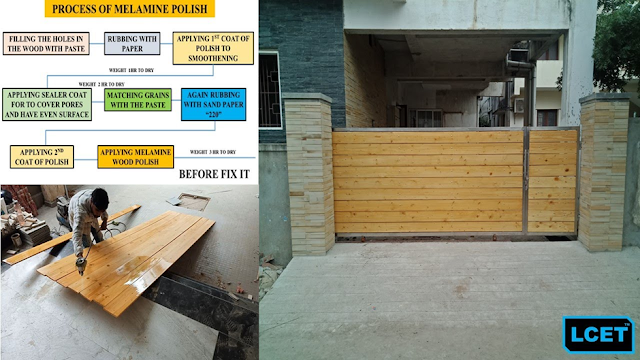
Also read: Know Everything About Melamine Polish And Its Process

Melamine Polish

 
Read More

Is plywood really the best choice for shelves? - Homeslibro

March 06, 2022 0

A lot of people make shelves out of plywood, for some, it works well, for some it doesn’t. And here's the reason.

There are two main factors to consider when creating a wardrobe shelf.

1. What is the length of the cupboard shelf?

2. What is the expected load to be taken by the shelf?


For shelves with a shorter length, plywood would be a viable option to consider and could serve its purpose well.

However, when the shelf size is longer (4 or more than 5 feet), plywood may not be suitable for this task or may require additional supports to increase carpentry work.

Do not misunderstand this. Plywood is a very strong material, especially if it is made of high-quality hardwoods. But it also has a different drawback. When using long pieces of plywood the centre will bend or sag, ruining the overall look of the shelf.

Also Read: All You Want To Know About Plywood To Use On Interior Work


So, what's the suitable alternative?

Well, in India, carpenters have a clear consensus on what material to choose for long shelves. Instead of plywood, they choose blockboard, which is made of wooden blocks that form the centre of the board, covered with wood veneer on both sides.


Blockboard is not only better suited for this application, but it is also comparatively cheaper than plywood.

To build a wardrobe, solid wood is really the best way, except that it is very expensive.

Due to the veneers on the face, the blockboard surface looks like plywood, although a closer examination of the edges confirms the difference between the two.

Blockboard is not only more suitable for this use, but it is also relatively inexpensive than plywood.


Blockboards are available in two varieties:

1. MR (Moisture Resistant Quality), which is suitable for making bookshelves or any other indoor use.

2. BWP (boiling waterproof quality), which is suitable for outdoor use (outdoor shelves) and wet kitchen cabinets.


For the same reasons, blockboard is also a preferred choice for making benches, backrests, wardrobe doors and any other piece of furniture that requires long pieces of wood.

To enhance the beauty of the wardrobe, it can be stained, painted or laminated. Of these, the use of decorative laminates is the most common these days, not only because of the wide variety of textures, shapes, and colours available but also because the closet is highly water-resistant.

To cover the sides, edge-banding is the most common choice, in which plain or decorative wooden strips are glued to the sides of the board.

In short, if you are considering what kind of cupboard to create as a bookcase, kitchen cupboard or cupboard to display your cups, you can definitely consider using a blockboard instead of plywood.

Also Read: Plywood Vs Solid Wood | Comparsion Between Plywood And Solidwood


Read More

Types of Exterior Grade plywood for outdoor applications - Homeslibro

March 06, 2022 0

Exterior Grade plywood for outdoor applications

Plywood is a versatile material used in the manufacture of interior and exterior furniture.

For outdoor use, like garden furniture, the plywood you choose should be completely waterproof to withstand the rain. So for this purpose, you should choose waterproof exterior quality plywood.

Note that plywood is available in three different grades


1. MR grade (Moisture Resistant)

This is also called as commercial plywood in the market. It is not waterproof, but resistant to some amount of moisture. It is only suitable for indoor use.


2. BWR grade plywood (Boiling Water Resistant)

It is waterproof plywood and can be used to meet your outdoor furniture needs.

According to the quality tests for plywood specified in IS: 303 of the Indian Standards, such plywood can withstand up to 72 hours without being damaged by immersion in boiling water.

Plywood is made by hot pressing several layers of wood veneer glued together (called plywood), and phenol-formaldehyde is applied to the outer plywood, which is a synthetic plastic adhesive. Plywood is waterproof.

Also, the wood used in the production of such exterior grade plywood is usually derived from 'hardwoods such as 'teak' or 'gurjan', which is much stronger compared to 'softwoods such as mango wood.

Apart from being used in the manufacture of outdoor furniture, such plywood is also very suitable for making indoor kitchen cabinets and other furniture that may be damp.


3. Marine plywood.

This plywood is of excellent quality and should be used primarily for marine applications (such as boats, ships, aircraft and industrial applications). It is very expensive and although it is used to make outdoor furniture, it is usually an overlay because the BWR exterior plywood quality listed above is generally adequate for this purpose.

Aside from choosing BWR quality waterproof plywood, the second additional thing you want to do to extend the life of your outdoor furniture is to add laminate to the top of the plywood.

These decorative laminates are available in a variety of colours, shapes and textures. They not only enhance the aesthetics of the furniture but also provide more immunity against any water damage by preventing water from seeping into the wood.

Plywood is a versatile material used in the manufacture of interior and exterior furniture.

For outdoor use, like garden furniture, the plywood you choose should be completely waterproof to withstand the rain. So for this purpose, you should choose waterproof exterior quality plywood.

Note that plywood is available in three different grades

Also Read: Woodworking Materials Guide for Beginners! | Woodworking Handbook


1. MR grade (Moisture Resistant)

This is also called commercial plywood in the market. It is not waterproof, but resistant to some amount of moisture. It is only suitable for indoor use.


2. BWR grade plywood (Boiling Water Resistant)

It is waterproof plywood and can be used to meet your outdoor furniture needs.

According to the quality tests for plywood specified in IS: 303 of the Indian Standards, such plywood can withstand up to 72 hours without being damaged by immersion in boiling water.

Plywood is made by hot pressing several layers of wood veneer glued together (called plywood), and phenol-formaldehyde is applied to the outer plywood, which is a synthetic plastic adhesive. Plywood is waterproof.

Also, the wood used in the production of such exterior grade plywood is usually derived from 'hardwoods such as 'teak' or 'gurjan', which is much stronger compared to 'softwoods such as mango wood.

Apart from being used in the manufacture of outdoor furniture, such plywood is also very suitable for making indoor kitchen cabinets and other furniture that may be damp.


3. Marine plywood.

This plywood is of excellent quality and should be used primarily for marine applications (such as boats, ships, aircraft and industrial applications). It is very expensive and although it is used to make outdoor furniture, it is usually an overlay because the BWR exterior plywood quality listed above is generally adequate for this purpose.

Aside from choosing BWR quality waterproof plywood, the second additional thing you want to do to extend the life of your outdoor furniture is to add laminate to the top of the plywood.

These decorative laminates are available in a variety of colours, shapes and textures. They not only enhance the aesthetics of the furniture but also provide more immunity against any water damage by preventing water from seeping into the wood.

Also Read: Exterior Grade Plywood Vs. Interior Grade Plywood | Homeslibro


Read More

Advantages and Disadvantages of Plywood To Make Home Furniture

March 06, 2022 3

When buying wood furniture for our homes these days there are so many options, it is very difficult to make a quick choice. Should we choose time-tested solid wood furniture (made of teak wood? Made of oak wood? Which one?) Or should it be better to hire a carpenter and build custom plywood furniture to suit our needs? Want to go into some furniture showroom and get all the ready-made pieces made from particle board or MDF? Which of these products is the best and what is the comparative price?


This article discusses the advantages and disadvantages of plywood for furniture making and compares it with other options such as particle boards, blockboards and solid wood.


But before we do that, let’s take a quick look at what plywood really is so that we can more clearly understand its pros and cons.


ADVANTAGES OF PLYWOOD

1. Good uniform strength

Plywood is a strong material, especially if it is made of strong wood (hardwood) instead of weak wood (softwood). The image above helps to illustrate where this strength comes from. The dark lines (or tear lines) you see on the face of the plywood are called wood grain patterns. It is very easy to tear the individual veneer with the grain, and it is equally difficult to tear it across the grain. That is why, when making plywood, the layers are arranged in such a way that the grain pattern in each layer is variable, and this makes the plywood sheets a much stronger material.


2. Can be used for making interior home furniture as well as exterior furniture.

Plywood is available in various grades such as MR grade (moisture resistance) for indoor use and BWR quality (boiling water resistance) for outdoor use. So damp furniture in the kitchen or garden can be made from BWR water-proof grade plywood, while cheap MR grade plywood can be used in other areas such as the living room or bedroom. This is a unique advantage over cheaper materials such as particleboard, which is for indoor use only.


3. Available in large sizes compared to solid wood

It is easy to get a uniform 18mm plywood sheet of 8'x4 '(8ft x 4ft) in size from the market, but it is quite impossible to get solid flat wood of such size (any wood can be cut and trimmed How?). For me, this is the most important advantage that plywood offers compared to solid wood, and it has been very popular since its invention. These large-sized engineered plywood sheets allow for a variety of applications that are difficult to achieve using solid wood.


4. Economical use of wood by mixing various woods together

Some woods are valued for their beauty (teak, oak, etc.), but they are expensive. The veneers of such woods can be used to create the surface layer of plywood, while the inner layers are made of other strong but cheap wood. Such a combination and fit is possible during plywood construction, and the resulting financial benefits will be passed on to the end consumer.


5. Available in varieties such as flexible plywood.

There are many interesting types of plywood now. One of them is flexible plywood (also known as bendy ply). It can be rolled or bent to create curved surfaces and allows greater applications in furniture and home decor.


6. Lesser wastage of wood

Compared to the process of obtaining solid wood blocks, the process of making plywood wastes less material (wood blocks) because both the rotary cut and slice cut that makes the veneers do not produce much waste. So we can use more of the tree logs in this way.


7. Versatile material that has many applications.

Plywood sheets not only find their way into our homes, by becoming a part of our furniture, they also have many industrial and structural applications. E.g. Concrete shutter plywood, Marine plywood for boat making.


8. Durable material

Plywood furniture made of good quality hardwood is very durable and will last for many years. Not up to solid wood pieces, but much better compared to cheap particle board furniture, which will eventually need to be replaced.


9. Less costly compared to solid wood

Solid wood is best because it is a natural product, but it is also very expensive. Cheaper compared to plywood. So it is a fair trade for most people to choose decent quality plywood to meet their furniture needs.


DISADVANTAGES OF PLYWOOD:

1. Water can damage MR grade plywood

The layers of plywood will separate when exposed to water for a long time. This drawback can be overcome by choosing BWR waterproof quality for plywood furniture that can be wet.


2. Can bend or sag when longer pieces are used.

Plywood is not considered suitable for applications that require long pieces of wood in our front doors, benches, closet doors or anywhere else where long panels are required. This is because in such cases the plywood has a tendency to sag or bend from the centre. The best way to overcome this drawback is to choose a blockboard, which is technically more suitable and cheaper than plywood.


3. Difficult to judge the quality of a plywood sheet.

As a customer, it is difficult to determine which wood was used to make the plywood. The exterior surface can be found with veneers, but what about the interior? There are many types of plywood on the market, ranging from locally made products to reputed brands. It is important to choose wisely and buy from a reliable source regardless of whether we are shopping offline or online.


4. Plywood usually needs additional enhancements.

Solid wood is beautiful. Most commercial grade plywood, on the other hand, must be covered with laminates to enhance its beauty and durability. These laminates improve their resistance to damage from water when pasted on plywood.


5. The edges also need to be covered with suitable pieces of wood.

In addition to laminating the surface of the plywood, the edges of the wood should generally show the furniture well by sticking wood strips.


6. Costlier compared to blockboards or particle boards.

Plywood is more expensive compared to particle boards or blockboards. In addition to the material cost, carpentry costs are also included. Therefore, for people looking for short-term furniture solutions, ready-made furniture made of particle boards or strong MDF are worth considering.


7. Manual and Time-consuming process.

MDF or particleboard furniture made manually using plywood pieces. That means making most plywood furniture is not a one day job. You need to hire a carpenter, buy all the right items, specify your exact needs, and then wait until the carpenter does his job. This is a time-consuming process. So as a customer, if you are in a hurry, or do not like all this hassle, you can choose ready-made furniture.


8. The adhesives used may be ecologically damaging.

An important feature of plywood is that it is important to check which chemical glue was used for glueing the veneers together. Urea-formaldehyde adhesives, used before phenolic resins, are not considered very safe to use and can also pollute the environment. One reason may be that solid wood smells better than freshly made plywood. However, plywood made in compliance with all safety rules and regulations may be considered safe to use.


9. Not considered as strong as solid wood.

Plywood is not as strong as heavy and dense solid wood (which is advantageous compared to other options such as particleboards or blackboards). The plus point though is that the price of plywood is low.


Also Read: Plywood Vs Blockboard - Which To Choose For Your Furniture And Budget?

Also Read: Types Of Wood Used For Making Plywood | Lceted

Also Read: What Is Ideal Moisture Content In Plywood? - Lceted

Also Read: What Is Laminate Sheet? | Sizes | Thickness | Types | Manufacturing Process


Read More

Exterior grade Plywood vs. Interior grade plywood | homeslibro

March 06, 2022 0

This article explains what plywood exterior and interior grades are, how each one is made and compares the two based on a number of factors.


As the name implies, interior grade plywood is very suitable for indoor use in homes and offices. The plywood furniture we use in our home is actually made from this type of plywood.


Exterior quality plywood is an excellent material and is considered ideal for outdoor use such as garden tables and chairs that are placed outside with natural elements.


Manufacturing differences between Exterior grade Plywood and Interior grade plywood:

Plywood is made from separate layers (pieces of wood veneer) that are glued together using adhesives/resins. To obtain thin pieces of wood, a separate wood veneer is obtained by rotating the logs obtained from the trees. These pieces (veneers/plies) are then stacked one on top of the other and glue is spread over their surface, and these veneers are pressed together using a hot-pressure machine to form plywood sheets.


In interior grade plywood, urea-formaldehyde glue (known as UF in the industry) is used to bond the most common types of adhesives, while in exterior grade plywood, phenol-formaldehyde (also known as phenolic resin) is used as the best quality glue.


Strength Comparison between Exterior Grade Plywood and Interior Grade Plywood:

External grade plywood is stronger (better glue shear strength) compared to interior grade plywood.


Differences in Cost:

Exterior grade plywood is also known as BWR (Boiling water resistant) plywood is costlier than interior grade plywood (which is known as Commercial ply).


Resistance to water:

The phenolic adhesive used on exterior plywood is actually a plastic adhesive. Phenol is a material used to make plastics. This adhesive provides excellent water-resistant properties to the plywood. External plywood quality tests often involve immersing the plywood in boiling water for up to 4 hours and then taking it out to test its strength and other properties.


For all practical purposes, this type of plywood is considered sufficiently water-resistant, so it can be used outdoors or in the manufacture of kitchen cabinets and more.


UF resin, on the other hand, is not as good as phenolic resins, so the interior quality plywood can be damaged if exposed to water. This is the reason it was used indoors (away from the rain).


The best way to improve the water-resistance of indoor plywood is to use decorative laminates. These laminates are made using papers impregnated with phenolic and melamine resins, so they have good resistance to water.


Also Read: Flexible Plywood | Standard Sizes And Thickness | Uses - Lceted

Also Read: Teak Wood Furniture - Benefits And Drawbacks | Lceted

Also Read: How To Identify Good Teak Wood For Your Furniture? - Lceted


Read More

Plywood Vs Solid wood | Comparsion between Plywood and Solidwood

March 06, 2022 0

This article discusses the pros and cons of using plywood and solid wood for our home furniture needs.


There are many things to consider, the most important of which is, stronger plywood or solid wood, and is it really worth the money to spend on solid wood furniture?


We will get to that, but first, to achieve a common position, here is a quick introduction of the two products.


Plywood is an engineered wood product. This is done by glueing individual layers (called veneers) on top of each other. These individual veneers are obtained from logs by rotating them and peeling thin layers from the logs.


Solid wood, on the other hand, does not require much introduction. It is a natural wood obtained from trees. The trees are first cut down, and then the logs are cut into small pieces, and these blocks are used to make furniture. The most popular solid trees are teak, oak, cherry, maple, mahogany and Indian rosewood.


STRENGTH COMPARISON BETWEEN PLYWOOD AND SOLID WOOD:


Solid wood is considered stronger compared to plywood because it is a homogeneous material. It depends on which wood we are talking about. Good quality hardwoods (get from deciduous trees such as teak are denser, heavier and stronger than softwoods such as pine or mango wood.


Plywood on the other hand is made of sheets glued together artificially and if the 'glue shear strength' is low, the individual layers will separate. It depends on the quality of the plywood. The best quality plywood sheets are mostly made of hardwood veneers


Which one looks better Plywood or Solid wood?

At this point, the solid wood again gets better marks than the plywood. For example, teak wood is very popular because of its strong and durable, but it is also beautiful with its straight wood grain shapes and its golden brown colour.


The faces of the regular commercial plywood available at local plywood stores are not decorative. Therefore, pasting natural wood veneers or decorative laminates on the top faces of the plywood requires extra cost and effort to enhance its beauty.


Which of the two is easier to care for Plywood or Solid wood?

Laminated plywood surfaces are easy to maintain because they are scratch-resistant, moisture resistant and can be wiped with a damp cloth. For best results, it is best to use a thicker laminate. Very thin laminate can be damaged and difficult to replace.

Good quality solid wood such as teak wood is water-resistant and is also good for outdoor furniture. It does not require much care, however, it darkens with age (every two years), so it is important to use sawdust and wood polish to regain its original shine and colour.


Which one will last longer Plywood or Solid wood?

Depending on the wood used in both cases. Good quality (waterproof quality) plywood is better than commercial MR grade (moisture resistant) plywood. Marine-grade plywood is better than both of them. The better the plywood, the longer its life will be.

The life of a solid wood depends on the type of wood used. Hardwood is stronger and more durable than softwoods such as mango or pine wood.


What about the cost?

Good quality solid wood is more expensive compared to plywood.

This is mainly due to high demand and low supply. The distribution of wood from forest reserves should be controlled and regulated for environmental reasons, whereas the tree coming from the plantations will take a long time to mature.

In our opinion, above all, this low supply of natural wood is the No. 1 reason for gaining a place in new engineered wood products such as particleboards (made of sawdust) and MDF (made of wood fibres). In the furniture market.


Comparison based on the type of furniture:

For furniture such as bookshelves and cupboard doors, plywood is not a very suitable material because it has a tendency to bend in the middle when using very long pieces. The most suitable for such cases is blockboard (which is cheaper) or solid wood.

In terms of cabinets, solid wood is considered the best choice available, followed by veneer plywood or laminated plywood. For example, the solid teak wood wardrobe is better than a teak veneer plywood, although its price is higher. (Decorative veneer plywood is one, the basic material here is plywood, on top of which is an excellent natural wood covering).

For single and double beds, the material used most often is plywood.

For doors, plywood is not the best choice, because of its tendency to bend. Considered better are solid core flush doors decked up with a decorative veneer, or solid wood doors.

For desks, chairs and dining tables, either solid wood or plywood can work equally well.


In conclusion, we would say that natural solid wood is better than plywood in most respects. The only major downside is that it costs much more.


Also Read: How Strong Is Plywood To Make Furniture? | Plywood Strength Comparison With Other Wood Products

Also Read: What Are The Alternatives Of Plywood | Homeslibro

Also Read: Water Proof Plywood Faqs | Guide For Your Furniture | Homeslibro


Read More

Flush Door Vs Wooden Door Vs Plywood Door - Homeslibro

March 03, 2022 0

In this article, we compared plywood doors, flush doors and wooden doors to help you to choose for your door making. below the table, we listed all possible comparisons between them


Factor

Plywood

Flush Door

Wooden Door

Raw material Used

Plywood is made from thin sheets (veneers) of wood glued together

Blockboard 'Flush Doors'. These Flush doors have solid rectangular blocks of softwood on the inside arranged end to end, and are covered on both sides with a very thin layer of ply about 2.5 mm thick.

Wooden Door is made from wood totally.

Cleaning & Maintenance Required

Easy - have a laminated finish

Easy - have plain shutters so they are easy to maintain and clean

Not Easy - have a lot of designs and grooves in which dust will gather.

Thickness of Shutters

Range of thickness 25mm, 30 mm and 35 mm. it can be customized

Range of thickness 25mm, 30 mm and 35 mm. it can be customized

it can be customized

Finishing

Laminates are used to finish

Laminates and MDF are used to finish

il, paint, wax polishing and spirit polishing directly on wood

Strength

It does not have strength as compared to flush door and wooden door

Flush Doors have good strength but are not as good as a wooden doors.

Wooden doors have better strength than a flush door with a better lifespan.

Aesthetical Appearance

Good

Better

best


FAQ

Which is better flush door or ply door?

To the casual observer, most of the doors around them look like plywood doors, which is not the case. The preferred choice for making wooden doors these days is Blockboard 'Flush Doors'. These flush doors consist of solid rectangular blocks of softwood and are covered on both sides with a very thin layer of 2.5 mm thick.


Theoretically, a door can be built entirely of plywood, but this is rarely done in practice. This is because the length of plywood is more likely to be bent in the centre. Blockboard flush doors, on the other hand, generally do not bend like this.


Which is a heavier flush door or ply door?

Plywood is usually made from hardwood, which makes the board very heavy. So plywood doors are much heavier than flush doors (they have softwood blocks inside). Heavy doors can be very difficult to carry, install, and operate in everyday use.


Which is the Costlier flush door or ply door?

Plywood is more expensive than blockboards, so the price of plywood doors can be higher than cheap flush doors.


Read More

Post Top Ad